
Resin Driveways
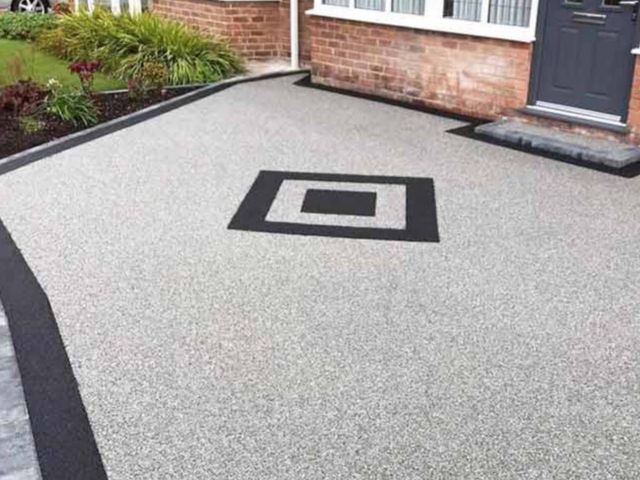
Smooth, permeable and in an even wider range of colours.
Coloured Tarmac Specialists
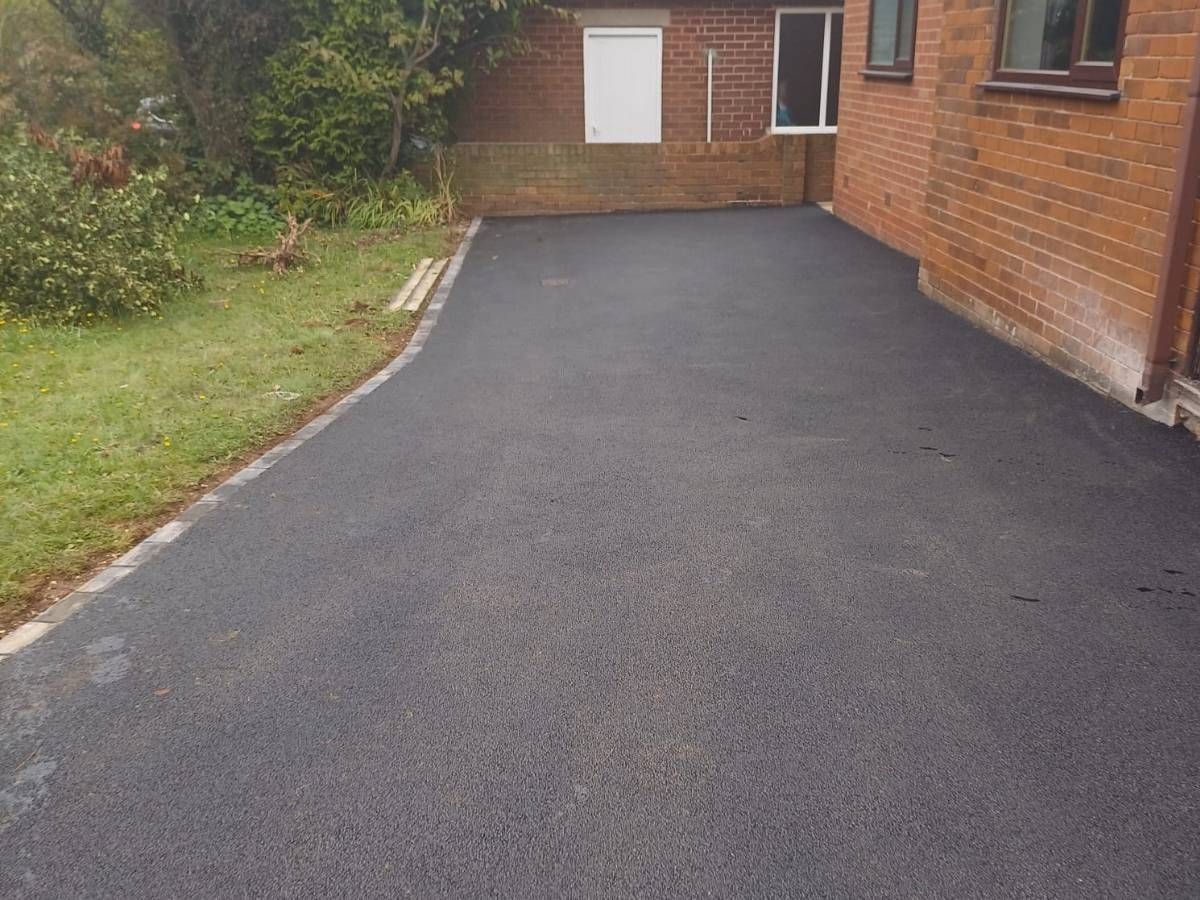
New tarmac driveways and resurfacing from coloured tarmac specialists in South Yorkshire, price guaranteed with a 10-year warranty.
New and Resurfaced
Tarmac or asphalt driveways are still a common sight across the UK and were a common driveway choice for many years. It was more common practice to use tarmac to finish off driveways on new build estates 30–40 years ago, when also finishing off the roads, which has led to so many still being about these days.
That said, it is still a very popular driveway material for people looking to upgrade from an existing paved and/or gravel driveway, or to resurface an existing tarmac driveway which has started to show signs of wear and tear over many years of use.
Tarmac driveways allow for a relatively quick turnaround job, especially when compared to concrete, which takes longer to set and will generally be more expensive. The shorter turnaround times go towards reducing costs, as less labour is required to complete a job. It also means less inconvenience finding somewhere else to park your car! Even if you want a multi-level drive, our brickworkers can help you get the driveway structure you’ve always wanted.

Not Just Black
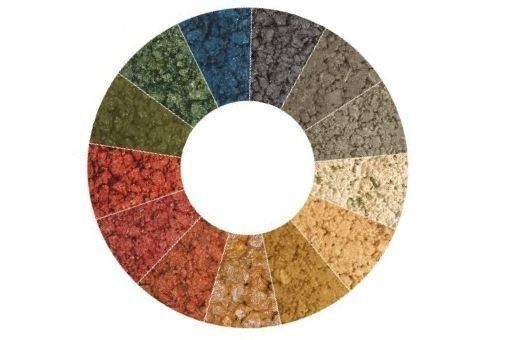
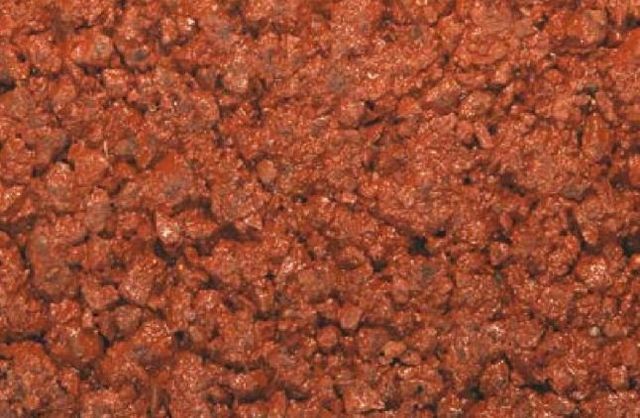
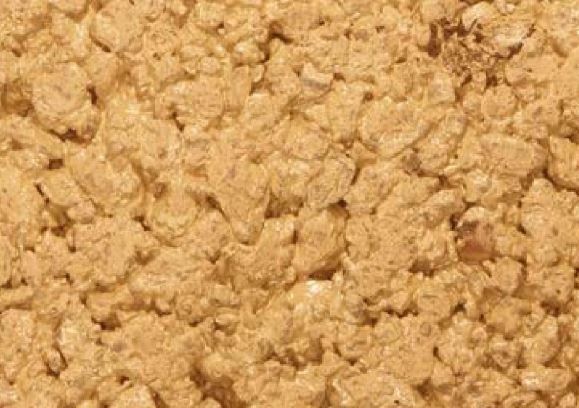
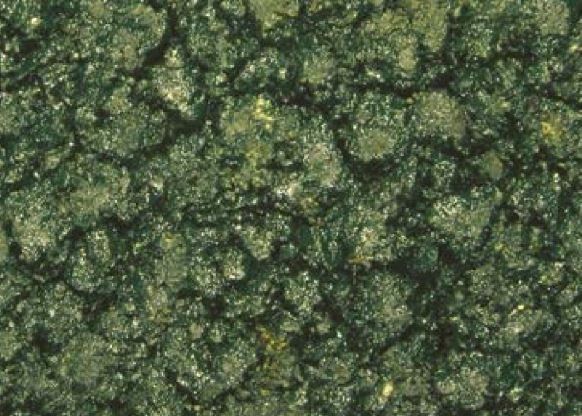
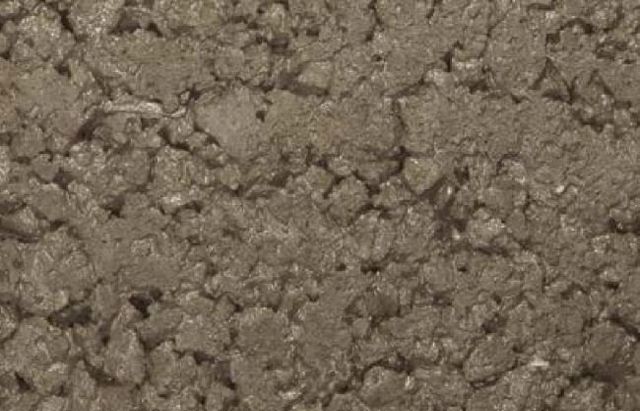
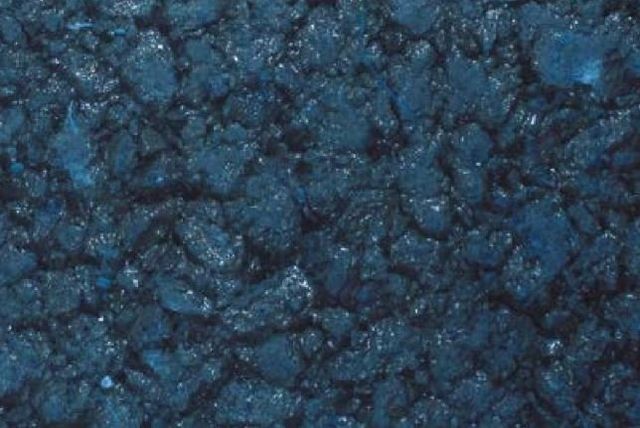
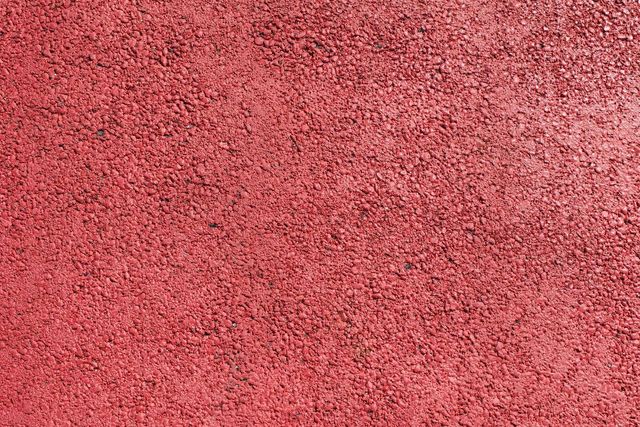
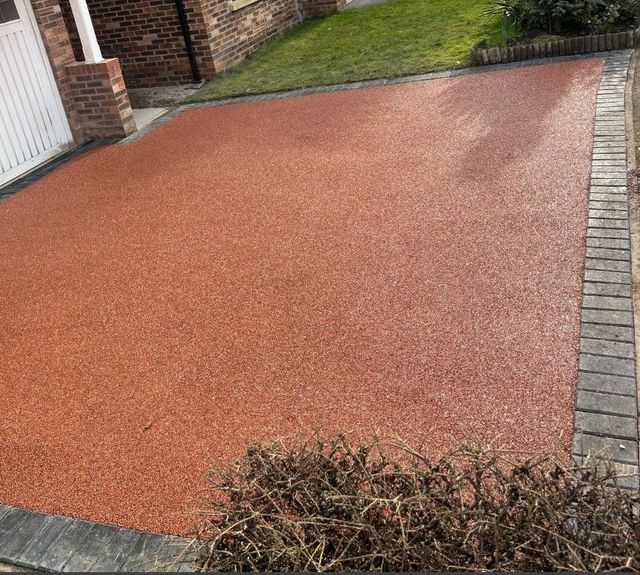
Back in the 60s and 70s the only tarmac drive you were likely to see would have been black, but these days there are more tarmac options, and it is common for new or resurfaced driveways to showcase more vibrant colours such as red, green, buff, blue and salmon.
Whilst black has been the main colour option, especially years ago, it meant that if you didn’t want a black driveway, tarmac was not for you. However, that’s not the case today, and as a result you can get a very stylish tarmac drive in a colour which will be the envy of your neighbours, and at a very reasonable price.
Resurfacing
Tarmac driveway resurfacing offers a practical and budget-friendly solution for homeowners in Sheffield seeking to enhance their outdoor spaces. It primarily involves laying new tarmac over an existing driveway, providing a fresh appearance without the expense of a complete replacement. This method can significantly reduce your costs, making it an attractive alternative if you are looking to refresh your property’s kerb appeal.
There are significant savings to be made, as the installation of an entirely new driveway requires extensive excavation, groundwork preparation and waste disposal, adding to the price tag. Resurfacing, on the other hand, streamlines the process, allowing for a more cost-effective upgrade. You can expect to pay considerably less to have a driveway that looks like new, even if you change its colour.
Is It Suitable?
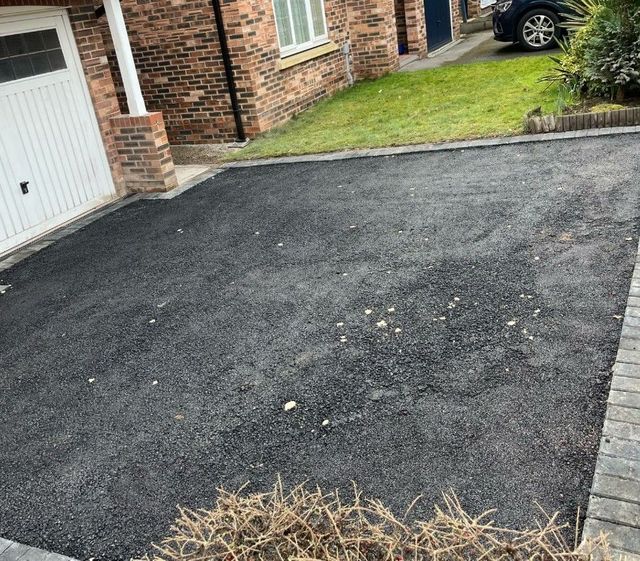
It is likely your existing tarmac driveway is many years old. Modern tarmac is of a superior quality and has a long lifespan, and resurfacing aids in filling voids and damage present beneath the surface. We will properly assess your existing driveway before applying fresh layers, to ensure it is suitable and will give you excellent results.
Once we have confirmed that your driveway is suitable for resurfacing, we will clean the surface, remove debris and fill any smaller cracks. Only once we are happy with the cleanliness of the base will we lay a high-quality tarmac, usually in two layers for enhanced durability. Our final step is to compact the newly surfaced tarmac, ensuring a smooth finish resistant to future wear and tear.
There are specific circumstances under which resurfacing may not be appropriate. If the existing driveway shows significant structural issues like extensive cracking, sinking or uneven surfaces, a full replacement may be necessary to remedy the underlying issue. Weather also plays a critical role: resurfacing should ideally be undertaken in drier, milder months to ensure optimal adhesion and compaction of the tarmac.

Tarmac or Asphalt?
Whilst asphalt and tarmac are commonly interchanged, there are some subtle differences between the two.
Tarmac is formed when crushed aggregate is coated and mixed with tar. Following laying and spreading, it is then compacted and rolled to provide a smooth surface finish.
Asphalt is a more modern variation, so instead of tar, bitumen (a by-product of petroleum distillation) is mixed with the crushed stone. The end result is fairly similar; however, asphalt will be a little more hard-wearing than tarmac and provides a slightly smoother finish.
Also, depending on what activities you intend doing on your drive, tarmac is more susceptible to damage from petrol or diesel spills, whereas asphalt is a little more hard-wearing and therefore will require less maintenance.
Watch the Work
Costs
New installations
Around £100
per m² as a ballpark figure, with larger areas proving more cost-effective per metre
As with all driveways, costs will be based on the size, slope and ground conditions. What also provides a favourable option for existing driveway owners is that tarmac is a good base from which to resurface your existing driveway. If you have an existing tarmac driveway which over the years has become worn, with loose chippings visible, tarmac resurfacing may be a very cost-effective option.
Whether this is for residential or commercial premises, we can provide competitive quotes for repair, resurfacing or complete reinstallation. For new installations, depending on the amount of groundwork required, a figure of around £100 per m² could be used to provide a ballpark figure, with larger areas proving more cost-effective per metre.
Tarmac is covered by our price guarantee too: like for like, we won’t be beaten on price for tarmac driveways.
Aftercare
To maintain the best looks and performance of your tarmac or asphalt driveway, you should aim to give it a thorough clean at least a couple of times a year. Use a hard broom to brush off any loose dirt or debris, then hose it down to remove some of the more ground-in dirt. A jet wash will be fine, and pre-treating with a gentle detergent mix will get better results, but avoid harsh chemicals.
If any cracks or holes do appear, it is important to repair them as soon as possible to minimise the spread. Ideally, seal-coating your driveway every 2–5 years will help maintain its good looks and improve its water resistance, which in turn will minimise ice formation, which can cause damage.
Looked after properly, you would expect your driveway to last between 15 and 20 years.

Recent Job
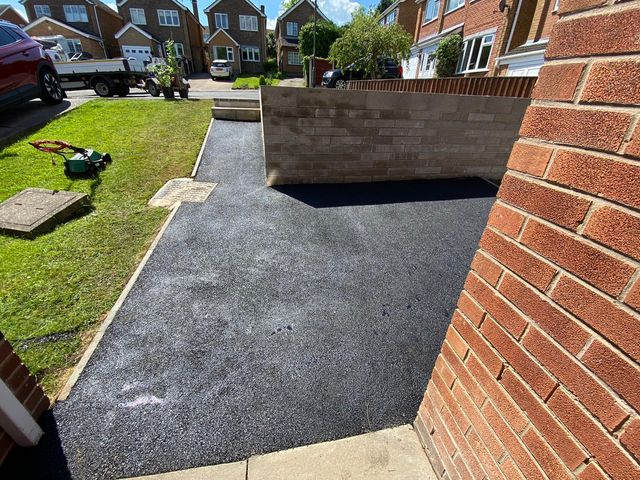
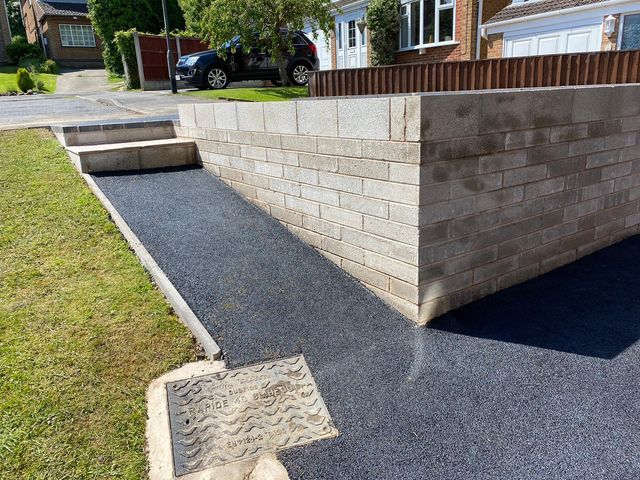
This front garden in the Dronfield area sloped up from the pavement, with old concrete slab steps and a strip of grass. We broke it all out and built the driveway up on a new retaining wall, finished in black tarmac with a block paving edge.
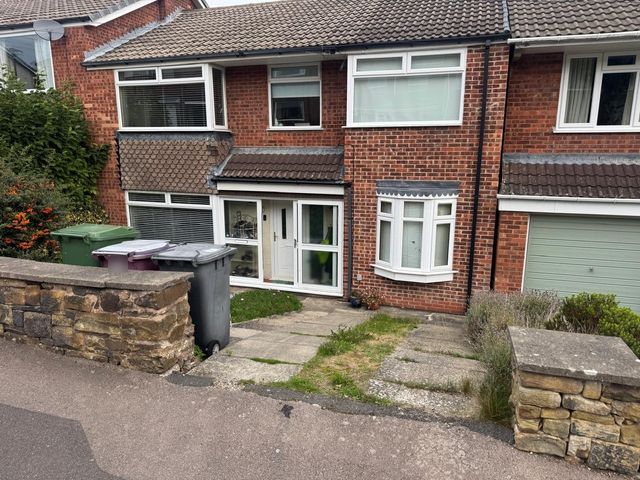
Old concrete slab steps and paths up a sloping front garden.
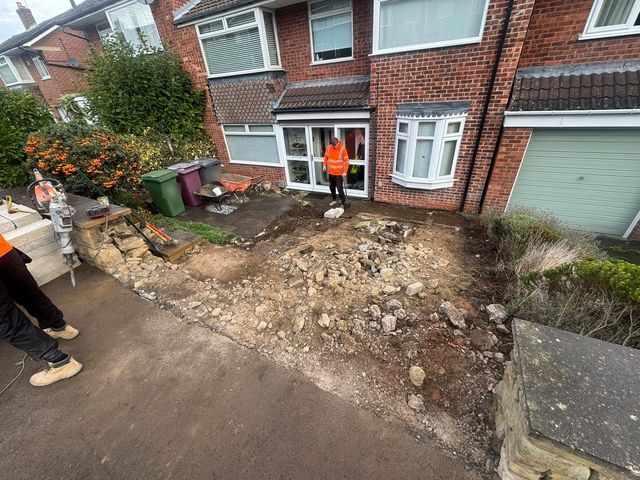
The steps and slabs broken out and the area dug out for the new base.
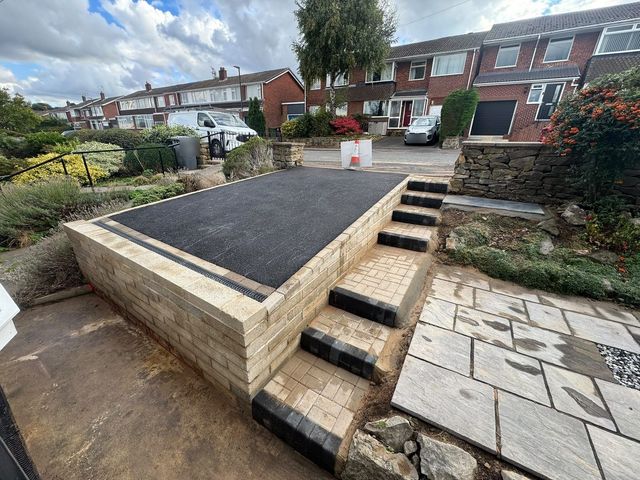
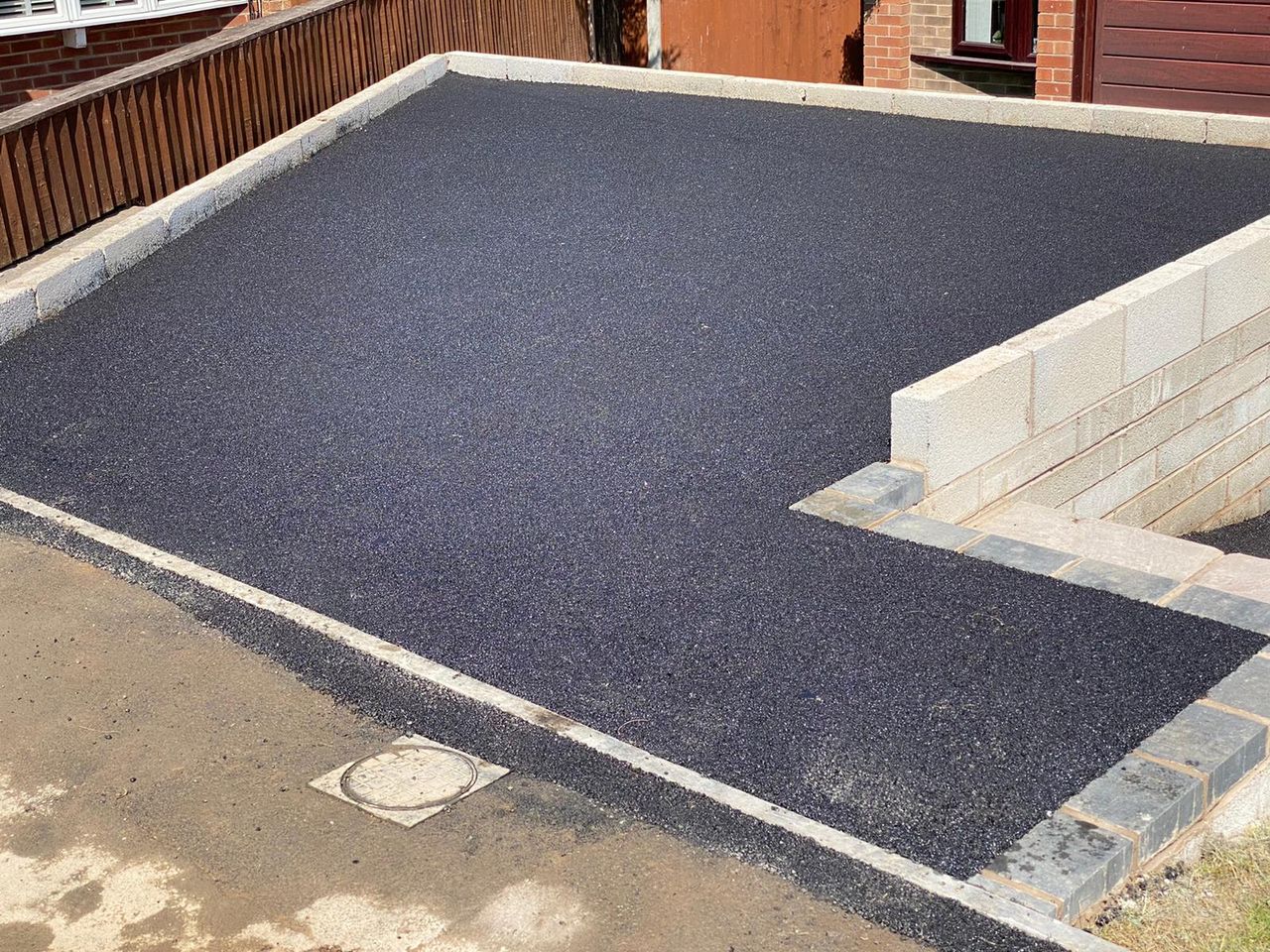
A raised tarmac drive on a new block retaining wall, with a channel drain and block paved steps alongside.
Before and After
This driveway on Bocking Lane in Sheffield went from bare, cleared ground to a new black tarmac drive, finished with a border of cobble setts at the pavement edge.


Recent Work
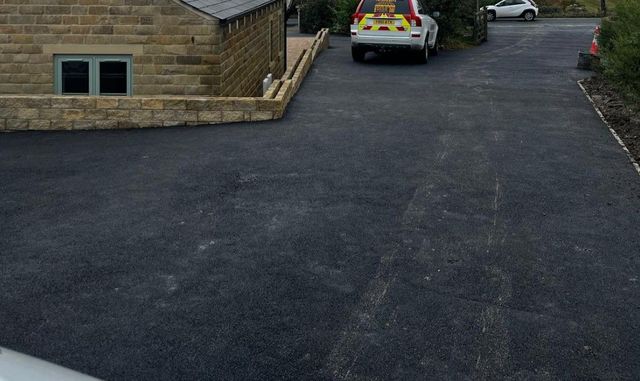
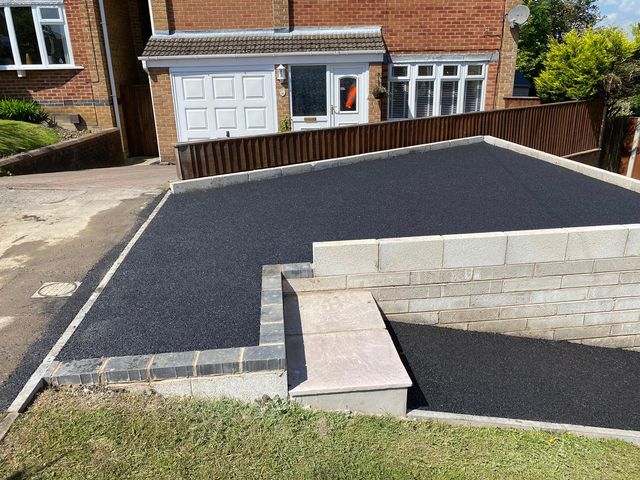
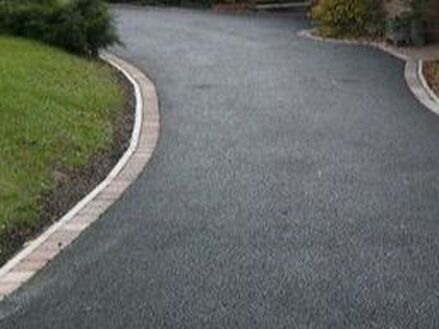
Our driveway gallery has plenty more tarmac jobs.
Other Surfaces
Smooth, permeable and in an even wider range of colours.
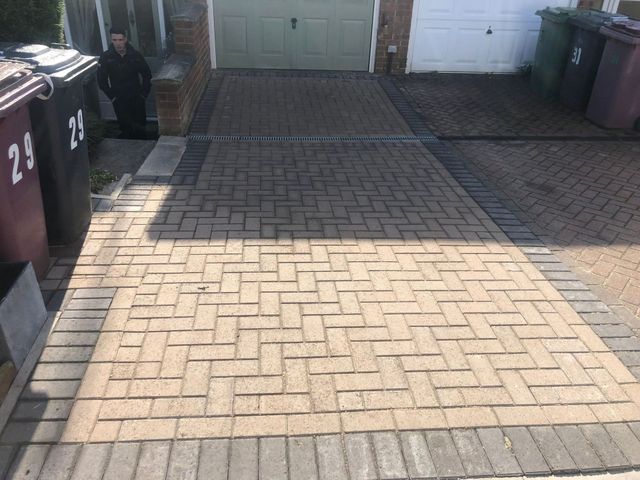
Use it for edging, borders or whole sections of the drive.
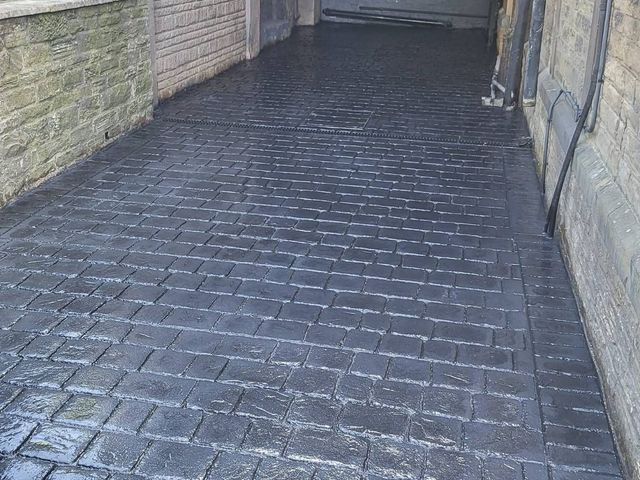
A sealed, patterned finish with plenty of kerb appeal.
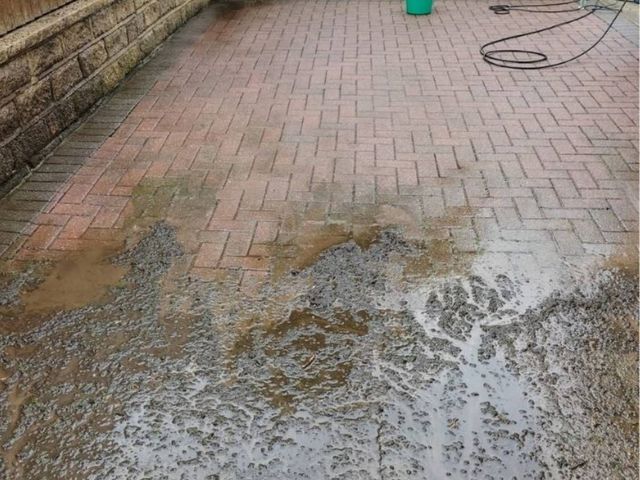
Seal-coat an existing tarmac drive to protect it.
Thinking about resin instead? We’ve compared tarmac and resin driveways in the same colour side by side.
Where We Work
We lay and resurface tarmac driveways throughout Sheffield and South Yorkshire, including:
Free Quotes
If you are looking for quality tarmac contractors in Sheffield, simply contact us any time of the day or night through our contact form, or call 0114 551 7111.
FAQs
Asphalt and tarmac are two different materials used in creating a driveway. Tarmac is a mixture of crushed aggregates and tar, while asphalt is a mixture of aggregates and bitumen.
The end result is fairly similar, but asphalt is a little more hard-wearing, gives a slightly smoother finish and is less affected by petrol or diesel spills, so it needs less maintenance.
The durability of asphalt and tarmac driveways depends on various factors such as climate, usage, maintenance and the quality of materials used, including those of the sub-base. Generally, a properly installed and maintained asphalt driveway can last for 20–30 years, while a tarmac driveway may last up to 15–20 years. However, if not adequately maintained, both may require some repairs in as little as five years.
Yes, it is possible to resurface an existing driveway with asphalt or tarmac. However, it is important to ensure that the existing surface is structurally sound and that there are no underlying issues that may affect the new surface.
If this is something that you are interested in, then we will carry out a survey on your existing driveway.
Unfortunately, not everything under the whole of your driveway can be inspected, so when resurfacing on top of someone else’s work the same guarantees will not apply as for a newly laid tarmac drive.
It is possible to install a driveway on a steep incline using asphalt or tarmac. However, some factors need to be considered, such as drainage, erosion control and the stability of the underlying soil. We will carry out an assessment to ensure that we can construct a safe and durable driveway.
The length of time it takes to install an asphalt or tarmac driveway can vary depending on a few factors, including the driveway’s size, the project’s complexity and the weather conditions. Generally, a typical driveway installation can take one to three days to complete. Larger or more complex projects may take longer. However, once we have come out to your property, measured and inspected the current ground conditions, we will be in a good position to provide a more precise timeframe.
There are only a few options regarding customisation of a tarmac or asphalt driveway.
As already mentioned, it is possible to select from a range of colours. There can also be some subtle variations in the texture, depending on how smooth or rough you want the finished surface.
The greatest option for personalisation is combining tarmac or asphalt with block paving. Whilst most people associate block paving with providing neat edging to a tarmac driveway, it can also be used to combine areas of block paving and tarmac to create your own unique driveway. Using more block paving can also help provide greater areas for rainwater run-off, as well as improve aesthetics.
We would advise you to wait at least 48 hours before parking any vehicles on a new tarmac driveway to allow it to cure and harden fully. However, this timeframe may alter slightly based on weather conditions, more specifically temperature. Again, we will advise you on the specifics nearer the time.
